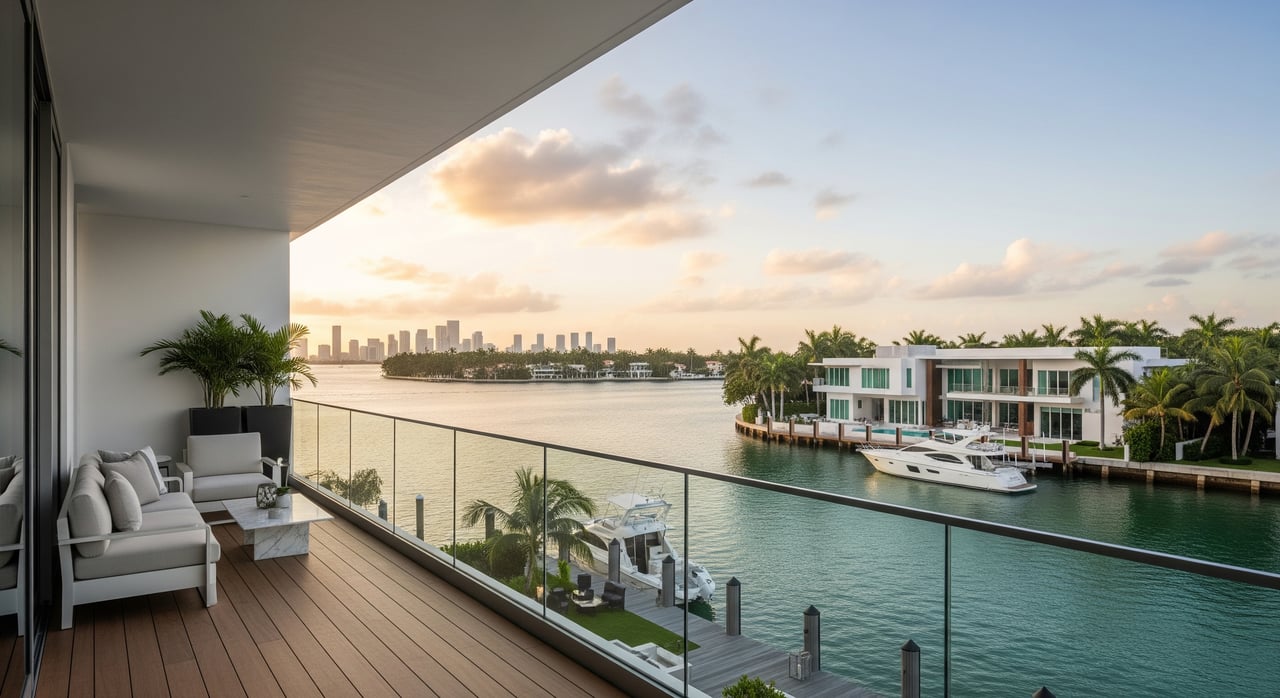
Thinking about trading New York or California for warm ocean breezes and a walkable beach town? Surfside offers sun, sand and small‑town ease next to Miami’s best dining and shopping. You also want clarity on taxes, insurance, hurricane timing and condo rules so there are no surprises. This guide breaks down what to expect, how costs change and the smart steps to take before you buy or move. Let’s dive in.
Why Surfside appeals
Surfside is a compact, primarily residential oceanfront town just north of Miami Beach, with roughly 5,700 residents in about half a square mile, so it feels close‑knit and easy to navigate (U.S. Census QuickFacts). You’ll find a walkable strip along Harding and Collins with cafés and boutiques, plus quick access to Bal Harbour Shops and Miami Beach. The town is known for its small‑town vibe paired with luxury living.
Cost of living at a glance
Taxes and daily purchases
- Florida has no state personal income tax, which is a major shift for many NY and CA earners (Florida tax context).
- Expect about a 7 percent combined sales tax in Miami‑Dade for everyday purchases (Miami sales tax details).
Property taxes and exemptions
- Property taxes vary by assessed value and local millage. If you make your Surfside home your primary residence, you can apply for a homestead exemption, which can lower your bill. Always review the county property appraiser data for the exact property before you buy.
Insurance and flood costs
- Homeowners and condo insurance in coastal South Florida is volatile and highly building‑specific. Premiums have seen changes as carriers adjust to market conditions and new rules (Florida insurance market update).
- Many Surfside properties will also require flood insurance. FEMA’s Risk Rating 2.0 prices policies based on property‑level risk, so get quotes early for the exact address (Flood insurance basics).
The housing market
Surfside is condo‑heavy with a narrow bayfront strip of single‑family homes. Pricing trends above the Miami metro median are common given the beachfront location and luxury inventory. Recent coverage shows more buyer leverage in some condo segments as the market cools in spots, so timing and building selection matter (Buyer leverage trends). Always compare recent comps for the specific building and line.
Climate and building safety
Hurricane season timing
Hurricane season runs June 1 to November 30. Plan for shutters or impact glass, a storm kit and flexible schedules if moving during peak months (NOAA season overview).
Flood risk and sea level
Surfside sits at low elevation along the Atlantic. Coastal flooding and king‑tide “nuisance” flooding can occur. Review FEMA flood maps and get flood quotes tied to the exact unit or parcel (Flood insurance basics).
Condo safety and reserves
After the 2021 Champlain Towers South collapse, Florida enacted new building‑safety requirements. Many coastal condos now require milestone inspections at 25 to 30 years and every 10 years thereafter, plus stronger reserve studies and funding. Older buildings may face significant repairs or special assessments. Request engineering, milestone and reserve reports before you purchase (Florida Building Safety Act overview).
Daily life and access
You get a beach‑centric routine with cafés, boutiques and nearby luxury retail and dining. Many residents rely on a car or rideshare for errands and commuting. Miami International and Fort Lauderdale‑Hollywood airports are within typical 15 to 45 minute drive windows depending on traffic. Public schools serving Surfside include Ruth K. Broad Bay Harbor K‑8 and Miami Beach Senior High, and there are several private and Jewish day school options in the broader area. For healthcare, Mount Sinai Medical Center on Miami Beach and other major systems are a short drive away.
Your Surfside due diligence checklist
Before you sign a condo contract
- Ask for the latest structural, milestone or recertification reports and recent engineering studies.
- Review the reserve study, current reserve balances and any planned or pending special assessments.
- Read recent condo board minutes for maintenance, inspection and assessment discussions.
- Obtain unit owner’s (HO‑6) and master policy insurance information and get preliminary quotes.
- Get flood insurance quotes for the exact address under FEMA’s current pricing approach (Flood insurance basics).
- Consider an engineer experienced with South Florida coastal concrete to review documents (Condo regulations overview).
Time your move
- Many out‑of‑state movers target late fall through spring to avoid peak storms and heat. If you must move during hurricane season, build in schedule flexibility and confirm your mover’s delay policies (NOAA season overview).
First 30 days in Florida
- Apply for a Florida driver’s license and register vehicles after establishing residency. Florida typically expects new residents to handle this within about 30 days and requires Florida insurance to register a car (New resident DMV steps).
- If the home will be your primary residence, calendar the homestead exemption deadline with the county.
Budget items movers often miss
- Condo association fees, plus potential special assessments tied to new safety and reserve rules (Building safety law context).
- Homeowners and flood insurance, which can be higher for older or waterfront buildings (Insurance market update; Flood insurance basics).
- AC‑heavy electricity use in summer and routine services like pest control, window protection and, if applicable, pool care.
- Moving logistics costs such as elevator reservations, building deposits and certificates of insurance for movers.
Ready to make Surfside home with confidence? Our team pairs native, neighborhood‑level insight with discreet, white‑glove service to simplify every step. Reach out to Sari Libbin Shapiro PA to map your move and tour the right buildings.
FAQs
What changes in taxes when moving from NY or CA to Surfside?
- Florida has no state income tax and Miami‑Dade’s combined sales tax is about 7 percent, while property taxes depend on your home’s assessed value and any homestead exemption (Florida tax context; Miami sales tax details).
How hard is it to insure a Surfside condo?
- Insurance availability and pricing vary by building condition, age and mitigation features, so get quotes early and review the master policy, reserves and any pending repairs (Insurance market update).
Do I need flood insurance in Surfside?
- Many properties near the coast will require flood insurance, and FEMA’s Risk Rating 2.0 sets price based on property‑specific risk, so request NFIP and private quotes during escrow (Flood insurance basics).
When is the best time to move to Surfside?
- Many movers choose late fall through spring to avoid peak hurricane months of August and September, but you can move year‑round with a flexible plan and storm prep (NOAA season overview).
What condo documents should I review before buying in Surfside?
- Ask for milestone or recertification reports, recent engineering studies, reserve studies and board minutes to check for deferred maintenance or assessments (Condo regulations overview).