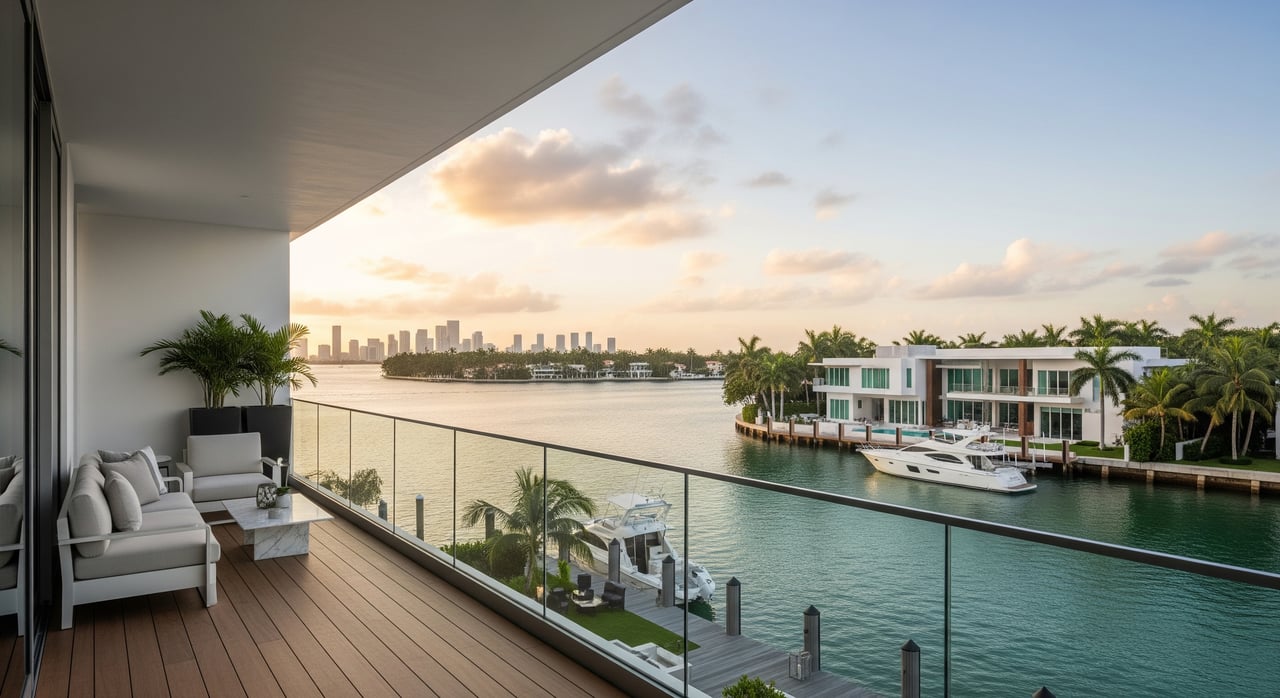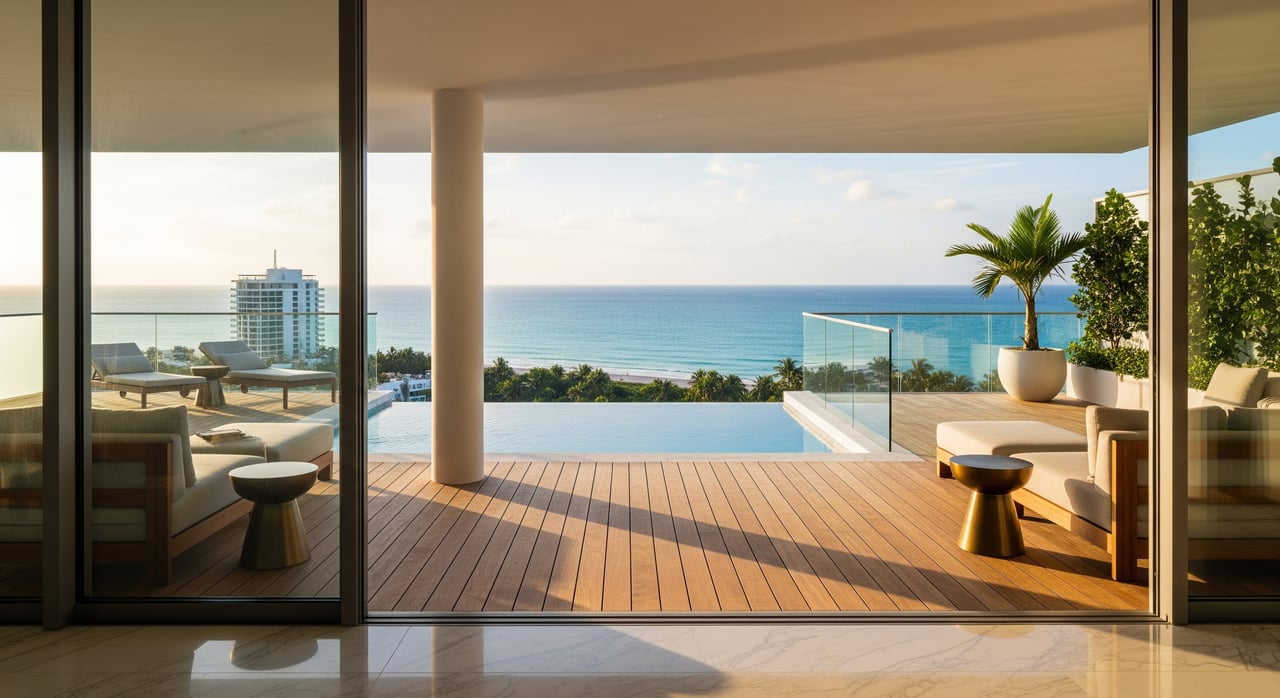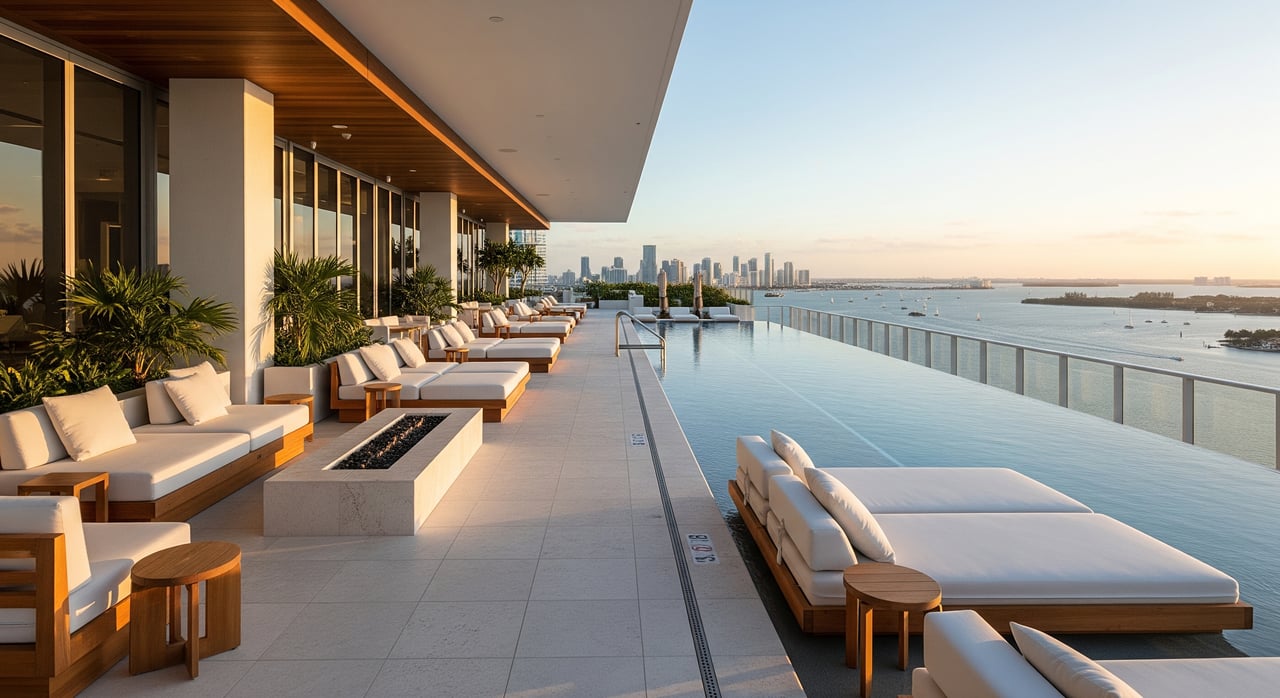
Skimming market headlines between flights and Zooms? You are not alone. If you want a fast, confident read on Miami’s luxury market without wading through data, this guide is for you. You will learn how the condo and single‑family segments behave, what drives pricing, what risks to price in, and how to move quickly with less stress. Let’s dive in.
What “luxury” means in Miami
Luxury in Miami is market‑relative. You are generally looking at the top 5 to 10 percent of prices by neighborhood, often starting around $1 million and rising into the multi‑million and ultra‑prime tiers. On the coast, trophy properties can reach into the tens of millions.
For clarity in this guide, treat “luxury” as roughly $1 million and up, while knowing the true bar shifts by micro‑market. The big idea: a $2 million condo in Brickell plays very differently from a $2 million single‑family home in Coconut Grove. Your strategy should match the product type and neighborhood, not just the price.
The two luxury tracks
Condos: Value drivers to watch
Luxury condos cluster in Brickell, Downtown, Miami Beach, Edgewater, and Sunny Isles. Amenities, building management, views, and brand identity carry weight. You should budget for HOA or condo fees, which can be substantial and will affect carrying costs and resale performance. New luxury towers can come in waves, so deliveries and developer incentives matter when timing a purchase.
Single‑family homes: What sets prices
Single‑family luxury is concentrated in Coral Gables, Coconut Grove, Pinecrest, Key Biscayne, and select waterfront enclaves. Lot size, elevation, privacy, and waterfront features like seawalls and docks drive value. Property taxes and insurance can be higher in absolute dollars, and you control maintenance, landscaping, and resilience investments.
New builds vs resales
New luxury condos often market compelling amenities and brand stories. Resales can offer clearer comps and operating histories. For any new project, evaluate the developer’s track record, financial strength, and contract terms. In both segments, check the building or home’s condition, management, and ongoing costs before you fall in love with the view.
What is driving demand now
- Domestic migration of high‑net‑worth buyers seeking Florida’s lifestyle and tax advantages continues to support demand.
- International capital from Latin America, Europe, Canada, and other regions views Miami as a gateway market. Activity can ebb and flow with currency and global liquidity.
- Lifestyle value is real: waterfront living, private marinas, luxury retail, dining, and culture all rank high.
- Remote and hybrid work allow more buyers to make Miami a primary or secondary base.
- Some buyers factor in rental potential, both short‑term where allowed and luxury long‑term.
Supply and timing signals
Inventory watchlist
Limited waterfront land supports top‑tier single‑family pricing and scarcity. Luxury condo supply can change more quickly when multiple towers deliver. Watch months of supply, days on market, and the pace of new development. These signals affect negotiating room and how fast you need to move.
Cash and jumbo financing
A significant share of ultra‑prime deals close with cash or jumbo loans. Rate sensitivity tends to be greater for single‑family buyers using larger mortgages. If you plan to finance, pre‑arrange a jumbo pre‑approval and reserves. If you are cash, proof of funds will position you to act quickly.
What could shift next
Macro factors like interest rates, global wealth trends, and insurance conditions can change the tone. Local regulations, such as short‑term rental rules or coastal development policies, may also impact certain properties. The takeaway is simple: match your timing to micro‑market data, not headlines.
Neighborhood microtrends snapshot
Miami Beach and South Beach
You will find a mix of luxury condo towers and historic or contemporary waterfront estates. Beachfront addresses command premiums for direct ocean access and amenities. Elevation, coastal protections, and dune conditions are important due diligence points.
Brickell and Downtown
High‑rise luxury living with concierge services, private dining rooms, and skyline or bay views appeals to finance professionals and international buyers. Development pipelines can be sizable, which influences resale inventory and developer incentives. Focus on building reputation, management quality, and long‑term HOA health.
Edgewater, Wynwood, and Design District adjacency
Edgewater offers waterfront condos with bay views and active new development. Nearby, luxury townhomes and adaptive‑reuse residences attract buyers prioritizing cultural access over direct waterfront. Evaluate upcoming projects and streetscape changes that can affect value and lifestyle.
Sunny Isles, Bal Harbour, and Surfside
These areas feature ultra‑luxury oceanfront towers, often branded or designed by notable architects. International buyers are significant here. Oceanfront lot scarcity and beachfront regulations support pricing at the top end, but always compare HOA reserves and building condition across options.
Coral Gables, Coconut Grove, Pinecrest, and Key Biscayne
Predominantly single‑family luxury with estate lots and leafy streets. Buyers prioritize privacy, lot quality, and home resilience elements like elevation and seawalls where relevant. Proximity to cultural amenities and services is a plus. Keep the focus on inspections, survey work, and long‑term maintenance planning.
Doral and Miami Lakes
Gated enclaves and golf estates offer luxury living with comparatively lower coastal flood exposure than barrier islands. As with any planned community, confirm HOA rules, reserves, and the track record for neighborhood upkeep.
Risks you should price in
Insurance availability and cost
Coastal Florida has experienced rising insurance premiums and tighter underwriting. Before you go under contract, obtain quotes for wind and flood coverage at the specific address. Insurance can affect mortgage approvals, carrying costs, and future resale.
Flood and sea‑level considerations
Check the FEMA flood zone, elevation certificate, seawall condition for waterfront lots, and any resilience upgrades. Understand both current risk and potential long‑term impacts on usage and resale. Engineering or marine surveys can be worthwhile on the water.
Short‑term rental rules
Rules vary by municipality and building. Miami Beach, the City of Miami, and nearby cities enforce different policies. If rental income is part of your plan, confirm city rules, HOA policies, and tax obligations before you bid.
Liquidity and resale
Ultra‑luxury properties can have longer marketing windows and fewer comparable buyers. Branded towers may command initial premiums that later depend on supply, building health, and market depth. Plan for a hold period that matches your risk tolerance.
How to buy smarter and faster
Save time with a pro team
- Engage an experienced local luxury agent who works off‑market networks and pocket listings.
- Request curated shortlists with pre‑screened options that match your criteria.
- Use virtual walkthroughs, 3D tours, and drone videos to narrow choices fast.
- Align a local closing team to streamline timelines and keep communication tight.
Prework that pays off
- Arrange jumbo pre‑approval or confirm proof of funds early.
- Outline your must‑have specs: views, dock size, ceiling heights, parking, pet rules, and rental allowances.
- Decide on a realistic move‑in timeline so your agent can filter units or homes with aligned availability.
Due diligence checklist
- Review HOA or condo documents, reserve studies, and insurance coverage. Note any history of special assessments.
- Commission thorough inspections: structural, roof, pest, plus seawall, dock, and shoreline for waterfront.
- Order title, survey, and confirm easements, boundaries, and riparian rights where applicable.
- Verify flood zone, elevation, and obtain insurance quotes before you remove contingencies.
- For new developments, assess the developer’s track record, financial stability, and delivery timeline.
Financing and tax notes
- Jumbo underwriting often requires larger down payments and significant reserves.
- Florida does not have a state income tax, but property taxes and local assessments vary by parcel.
- Foreign buyers should consider FIRPTA and cross‑border planning with qualified advisors.
- If privacy is a priority, discuss entity ownership with your lender and title team early.
Quick decision frameworks
Condo or single‑family scorecard
- Choose a condo if you want amenity‑rich living, security, and lighter personal maintenance. Budget for HOA fees and confirm the building’s financial strength.
- Choose a single‑family home if you value privacy, outdoor space, and control over systems. Plan for higher hands‑on maintenance and insurance.
Waterfront tradeoffs
- For oceanfront condos, prioritize building health, reserves, and shoreline protections.
- For bay or canal homes, evaluate elevation, seawall integrity, dock capacity, and boating access. Engineer or marine reports can save six figures over time.
Work with “The Luxury of Local”
Busy buyers want clarity, speed, and discretion. As native Miami advisors with a white‑glove, team‑based process, The J&S Group pairs neighborhood‑level intelligence with access to both resale and top new developments. You get curated options, faster answers on insurance and HOA health, and a closing path built for your schedule.
Ready to move with confidence? Start a discreet conversation with Sari Libbin Shapiro PA.
FAQs
Is Miami still a hot luxury market?
- Miami remains a resilient and globally visible luxury market, with strong demand for prime waterfront and amenity‑rich condos, though specific segments can fluctuate with supply.
What price range defines luxury in Miami?
- Luxury is relative by neighborhood and often means the top 5 to 10 percent of listings, commonly starting around $1 million and rising into multi‑million tiers and beyond.
How should I compare a luxury condo to a house in Miami?
- Condos emphasize amenities and building services with HOA fees, while single‑family homes emphasize lot quality, privacy, and control of maintenance and resilience.
How important is insurance availability for Miami luxury buyers?
- It is critical. Verify wind and flood insurance options and premiums for the specific address early, since costs affect financing, carrying expense, and resale.
What due diligence matters most on waterfront homes in Miami?
- Focus on elevation, seawall and dock condition, survey and riparian rights, flood zone, and targeted engineering or marine inspections.
Can I rent my Miami luxury property short‑term?
- Rules vary widely by city and building. Confirm municipal regulations, HOA policies, and tax obligations before relying on any short‑term rental income.