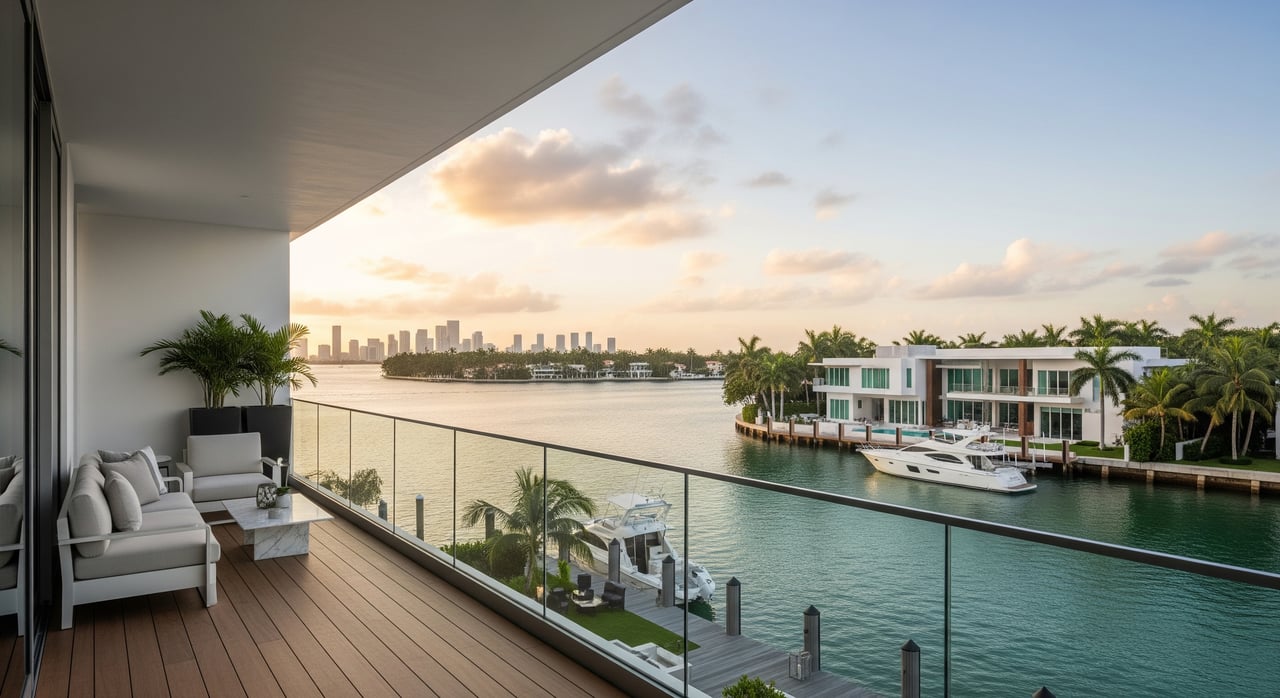
Buying a condo in Miami Beach can feel complex, especially when financing is involved. You are not just qualifying yourself as a borrower. Your lender is also qualifying the building, the association, and even the master insurance. The good news is that once you understand how condos are underwritten here, you can spot potential issues early and move to a smooth closing. This guide breaks down your loan options, what lenders review in Miami Beach buildings, key insurance and building‑safety factors, and practical steps to speed things up. Let’s dive in.
Miami Beach condo loan options
Conventional loans (Fannie Mae and Freddie Mac)
Conventional loans are common, but lenders apply condo‑specific rules. They look at owner‑occupancy, the percentage of units controlled by one owner, any litigation, reserves, delinquencies, and insurance. Low down payment options may exist for primary homes, though many lenders tighten requirements for condos. In Miami Beach, higher prices often exceed conforming limits, which can push you toward a jumbo loan.
FHA
FHA can work with lower down payments, but the condo project usually must be FHA‑approved, or your unit may qualify under a single‑unit approval if the lender allows it. Approval depends on the association’s budget, reserves, and other project criteria. Many Florida buildings are not FHA‑approved, so you should confirm status early.
VA
Eligible veterans can access low or no down payment options, but the condo project typically needs VA approval unless a single‑unit path is available under lender rules. Your loan officer will verify approval status before moving forward.
Jumbo and portfolio loans
Many Miami Beach condos require jumbo financing. Underwriting is tighter: expect higher credit score and reserve expectations, larger down payments, and lower debt‑to‑income ratios. Some portfolio lenders will finance buildings that agencies will not, but terms and rates vary widely.
What lenders review in your building
Documents you will be asked to collect
- Estoppel letter with dues, delinquencies, and assessments
- Budgets and financials for the last 2 to 3 years, plus reserve schedules
- Recent board meeting minutes (often up to 12 months)
- Declaration/CC&Rs and bylaws to confirm leasing and use rules
- Master insurance certificate and deductible details
- Reserve study or statement of reserves and capital plans
- Litigation details and estimated exposure
Share these with your lender as soon as you are under contract. Early document delivery helps prevent last‑minute surprises.
Common thresholds and sensitivities
- Owner‑occupancy: Many lenders prefer over roughly 50 to 70 percent. Lower levels can trigger more scrutiny or higher down payments.
- Delinquencies: Associations with higher delinquency rates often face tighter underwriting. A common reference point is under about 15 percent, though programs differ.
- Reserves: Lenders want meaningful reserves to handle repairs and deductibles. Thin reserves can lead to higher down payments or denial.
- Special assessments: Active or pending assessments can slow or block approval. Lenders may require payment in full or an escrow plan before closing.
- Litigation: Open or material litigation can be a red flag and may make a project ineligible.
- Commercial space: Excessive non‑residential space, often above about 25 percent, can complicate approval.
These checks exist because condos share financial and structural responsibilities. Lenders want to be sure the association can manage repairs without imposing sudden heavy costs on owners.
Florida insurance realities
Wind and hurricane exposure
Miami Beach is coastal. Wind coverage can carry higher premiums and percentage‑based deductibles. Lenders evaluate whether the association has adequate coverage and reserves to handle deductibles after a storm. Your personal HO‑6 policy may also need specific endorsements.
Flood zones
If your unit is in a FEMA Special Flood Hazard Area, flood insurance is typically required for a mortgage. Even outside those zones, many owners choose flood coverage given local risk. Confirm early whether your building’s master policy includes flood and whether you also need unit‑level coverage.
Master policy vs. HO‑6
Understand the walls‑in vs. walls‑out scope of the master policy. Gaps often need to be covered by your HO‑6. Your lender and insurance agent will align required limits with the master policy to protect the collateral.
Building age and safety recertification
Many South Florida buildings are older. After the 2021 Surfside collapse, lenders and insurers increased scrutiny of structural safety, deferred maintenance, and reserves. In Miami‑Dade County and the City of Miami Beach, building safety and recertification timelines are enforced at the local level. Lenders will pay close attention to recertification status, inspection findings, and any planned remediation. If major repairs are pending, expect tighter underwriting or different down payment requirements.
Your financing timeline
Before you shop
- Get a strong preapproval and tell your lender you are targeting condos.
- Ask your agent to identify buildings that are typically financeable for your loan type.
Under contract
- Request the estoppel, budgets, reserve study, minutes, insurance certificate, and CC&Rs immediately.
- Share everything with your lender on day one of escrow. Project review often takes longer than borrower underwriting.
- Order your HO‑6 and, if needed, flood insurance. Align coverage with the master policy.
Underwriting and appraisal
- Be prepared for questions about reserves, assessments, and any repairs.
- Appraisals may include project‑level marketability analysis. Respond quickly to document requests.
Closing
- Provide proof of paid HOA dues and insurance binders.
- If special assessments exist, confirm the agreed payment plan and any required escrows.
Budget for extra condo costs
- Higher down payment for some condo profiles or jumbo loans
- Insurance premiums for wind and flood coverage
- HO‑6 policy tailored to master policy gaps
- Estoppel fee charged by the association
- Special assessments that may need to be paid before or at closing
- Additional appraisal or review fees related to condo project analysis
Smart steps to speed approval
- Verify project eligibility early. If you plan to use FHA or VA, confirm building status upfront or discuss single‑unit paths with your lender.
- Send complete docs fast. Deliver the estoppel, budgets, reserve info, insurance certificate, minutes, and governing documents on day one.
- Clarify assessments. Document who pays, timing, and funding source. If needed, negotiate credits or escrow.
- Align insurance. Match your HO‑6 and flood policies to the master policy’s scope and deductibles.
- Ask about lender overlays. Every lender has condo rules beyond the agency standard. Know them before you write your offer.
Seller tips for smoother closings
- Prepare a clean document package. Latest budgets, financials, reserve details, insurance certificate, governing documents, and recent minutes.
- Order the estoppel early. Confirm dues are current and disclose any assessments.
- Address building issues upfront. Be transparent about litigation, repairs, or recertification status. Expect some buyers to require portfolio or cash solutions if issues are material.
When you understand how Miami Beach condo financing works, you can approach the process with confidence. Whether you are purchasing a pied‑à‑terre, a primary residence, or preparing a listing, the right guidance helps you avoid delays and protect your bottom line. If you want a tailored plan for your target building and price point, connect with Sari Libbin Shapiro PA today.
FAQs
Can I use FHA or VA for a Miami Beach condo?
- Possibly. Most FHA and VA loans require project approval. Single‑unit paths may exist, but lender rules are strict. Confirm status with your loan officer early.
Do I need flood insurance for a Miami Beach condo?
- If your unit is in a FEMA Special Flood Hazard Area, lenders typically require flood insurance. Many owners outside those zones also carry flood coverage due to local risk.
What is an estoppel letter and why does it matter?
- It is a statement from the association that lists dues, delinquencies, and assessments. Lenders rely on it to confirm there are no unpaid obligations that could affect collateral.
How do special assessments affect loans?
- Lenders want clarity on who pays and when. Some require assessments to be paid in full before closing or held in escrow with a documented plan.
Are older Miami Beach buildings harder to finance?
- Often yes. Deferred maintenance, low reserves, pending structural repairs, or recertification issues can trigger tougher underwriting or ineligibility for some programs.
Why do lenders care about owner‑occupancy and delinquencies?
- Lower owner‑occupancy and higher delinquencies can signal risk. Many lenders look for stronger metrics, which can influence down payment and approval.