Trying to decide between Edgewater and Midtown Miami? You’re not alone. These side‑by‑side neighborhoods offer two very different ways to live near Wynwood’s art, food, and nightlife. If you want a clear picture of daily life, ownership costs to watch, and investment factors that matter, you’re in the right place. Let’s dive in.
Neighborhood snapshot
Edgewater at a glance
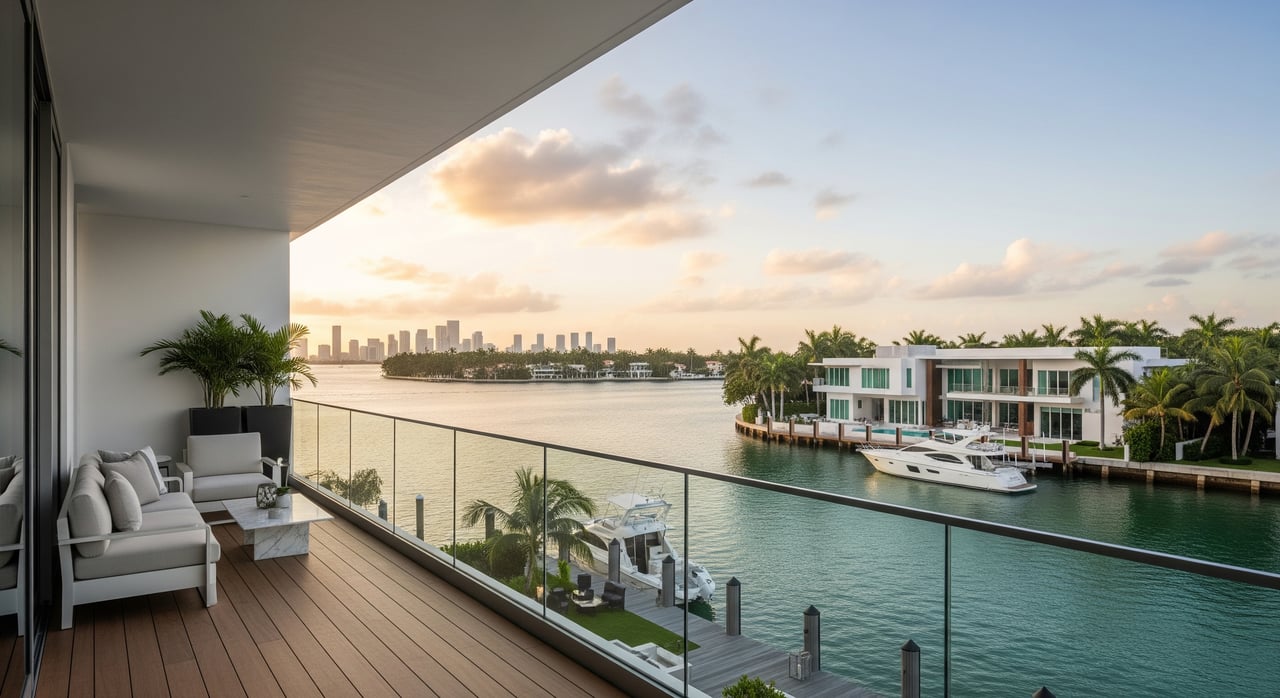
Edgewater sits on Biscayne Bay just north of Downtown, with a skyline of mid‑ and high‑rise condos. You’ll find bay views, water breezes, and Margaret Pace Park along the waterfront. At street level it feels more residential and quieter than Midtown, yet you’re minutes from Downtown, Brickell, and the Design District.
Midtown at a glance
Midtown is a planned, mixed‑use district west of Biscayne Boulevard and steps to Wynwood. It blends apartments, condos, townhomes, shops, and restaurants in a walkable grid. Expect an active street scene, easy access to galleries and food halls, and quick connections to Wynwood and the Design District.
Daily life and walkability
Midtown: energetic and convenient
If you like to step outside and have coffee shops, boutiques, and casual dining right there, Midtown usually delivers. It shares Wynwood’s cultural energy and sees more evening and weekend activity. Plazas and sidewalks make quick errands simple without a car.
Edgewater: calm with bayfront green space
Edgewater offers a slower pace. Walkability varies by block, but bayfront promenades and Margaret Pace Park make daily jogs, dog walks, and sunset views part of your routine. Retail is more pocketed, though Wynwood, the Design District, and Downtown are a short drive or ride away.
Housing types and how they feel
Edgewater housing
You’ll see mostly condos, from mid‑rise residences to luxury towers with full‑service amenities like doormen, pools, and fitness centers. Single‑family homes are scarce. Buildings that face the bay often command premium views and a quieter ambiance.
Midtown housing
Midtown mixes newer apartment buildings with low‑rise condos, lofts, and some townhomes above street‑level retail. The area skews a bit more rental‑oriented and suits shorter‑term urban lifestyles. If you want variety in floor plans and living over a vibrant street, this is a fit.
Ownership costs and practical tradeoffs
Monthly costs beyond your mortgage
- Condos in both areas include monthly association fees. What they cover can vary, but often include water, building insurance, common‑area maintenance, and amenities. Review each budget closely.
- Flood exposure can influence insurance needs. Edgewater’s bayfront location typically carries more coastal flood considerations than Midtown. Confirm flood zone, elevation, and insurance requirements for a specific property.
- In high‑rise condos, reserve funding and potential special assessments are key. Ask for recent reserve studies, audits, and board minutes before you write an offer.
Rental vs ownership focus
- Midtown’s heavier rental inventory can support flexible lease terms and may align with tenants and short‑term urban living, subject to building policies and local rules.
- Edgewater often attracts longer‑term condo owners who value bay access and park‑oriented living while staying close to downtown.
Commute and access
Both neighborhoods are centrally located. Biscayne Boulevard links you to Downtown and Brickell, I‑395 gets you to the beaches, and I‑95 is close for regional trips. Metrobus lines run along major corridors, and you’ll see scooters, bike shares, and rideshare widely used. Edgewater offers quick access to downtown job centers, while Midtown places you close to Wynwood and the Design District’s creative employers and retail.
Parks, arts, dining, and shopping
- Edgewater: Margaret Pace Park is a highlight with sports courts, open space, and water views. You’re a quick ride to cultural anchors in Downtown and the Design District.
- Midtown: You’re in the center of plazas, galleries, eateries, and casual spots that make errands and nights out simple. It benefits directly from Wynwood’s dining and arts calendars.
Noise, events, and quality of life
- Midtown and adjacent Wynwood are lively, with more evening and weekend activity. Expect event weekends and art walks to increase foot traffic and street closures at times.
- Edgewater is usually quieter, especially along the bay and park. Units facing major streets can still experience traffic noise, so visit at different times of day.
Schools and zoning
Both neighborhoods are primarily urban and popular with singles, professionals, and downsizers. If you have school‑age children, review Miami‑Dade County Public Schools zoning and nearby private options. Use the district’s zone lookup tool to confirm school assignments for a specific address and verify drive times to your preferred schools.
Risk and resiliency: what to verify
- Flood risk: Confirm the property’s FEMA flood zone and site elevation. Discuss flood insurance requirements with your lender and insurance advisor.
- Building standards: Newer Miami‑Dade buildings reflect updated codes. Older properties may have retrofits underway.
- Condo governance: Florida condominium and HOA laws set operating rules. You should review association financials, reserve studies, insurance certificates, litigation history, and meeting minutes.
- Short‑term rentals: Rules vary by city, county, and building. Verify current regulations and building policies before assuming rental income.
- Parking and storage: Check whether spaces are assigned, included, or require an additional fee. Verify guest parking availability near Wynwood and Midtown hotspots.
Investment outlook and market dynamics
Central Miami neighborhoods move in cycles. New towers can bring supply, followed by periods of absorption and shifting prices. Midtown’s rental‑heavy product can be sensitive to retail occupancy and tourism patterns, while Edgewater’s waterfront condos respond to resale demand and association reserve health. Buildings that invest in resiliency and transparency often command stronger buyer confidence. For investors, net yield hinges on HOA fees, insurance, maintenance, and vacancy assumptions. Always underwrite at the building level.
Choose your fit: quick guide
Choose Edgewater if you want
- Bay views, breezes, and daily access to Margaret Pace Park.
- A quieter, more residential vibe close to Downtown and Brickell.
- Condo ownership with full‑service amenities and longer‑term living.
- A short drive or ride to Wynwood and the Design District without being in the center of the nightlife scene.
Choose Midtown if you want
- Walkable, mixed‑use living with shops and dining downstairs.
- Instant access to Wynwood’s galleries, events, and food halls.
- A variety of floor plans, including apartments, lofts, and townhomes.
- An energetic street scene with convenience‑first urban living.
How to verify the details
Before you commit, confirm the facts that affect your costs and comfort:
- MLS comparables: Pull recent sales and days on market for the specific building and block.
- Association documents: Request bylaws, budgets, reserve studies, audits, insurance certificates, and board minutes.
- Flood and insurance: Check FEMA flood maps and county tools for the property’s zone and elevation. Get insurance quotes early.
- STR rules: Confirm City of Miami and Miami‑Dade County short‑term rental policies and building rules.
- Parking and storage: Verify assignments, fees, and guest parking protocols.
- School zoning: Use the Miami‑Dade Public Schools zone lookup for the exact address.
- On‑the‑ground feel: Visit on a weekday, a weekend, and an evening to evaluate noise, traffic, and crowd patterns.
Buyer checklist
- Get building‑level comps and active competition from the MLS.
- Review the full condo packet and reserve study.
- Ask about recent and pending special assessments.
- Confirm flood zone, elevation, and insurance requirements.
- Verify rental policies and any licensing if you plan to rent.
- Check parking, storage, and loading logistics for moves and deliveries.
Seller checklist
- Update pricing with current absorption and days on market for comparable units.
- Prepare condo documents and disclose any litigation or assessments.
- Consider a pre‑sale inspection and address visible issues.
- Stage for your target buyer profile and highlight your strongest feature, like bay views in Edgewater or walkability in Midtown.
The bottom line
Edgewater and Midtown both put you close to Wynwood, the Design District, and Downtown, but they offer distinct lifestyles. If you prefer calm, bayfront living with park access and condo amenities, Edgewater likely fits. If you crave walkability, social energy, and convenience at your doorstep, Midtown stands out. The best choice comes down to your daily rhythm, your tolerance for noise and events, and how association costs, flood exposure, and rental policies align with your plans.
Ready to compare specific buildings and floor plans or get a building‑level risk review? Reach out to The J&S Group for local guidance tailored to your goals. Request a Complimentary Home Valuation or schedule a private tour to see the differences for yourself.
FAQs
What’s the main lifestyle difference between Edgewater and Midtown?
- Edgewater is calmer and bay‑oriented with park access, while Midtown is more walkable and lively with shops and restaurants at your doorstep.
How close are these neighborhoods to Wynwood’s dining and art scene?
- Midtown borders Wynwood and shares much of its street activity. Edgewater is a short drive or bike ride east, offering quick access without living in the center of the nightlife.
Are Edgewater condos more flood‑exposed than Midtown properties?
- Edgewater’s bayfront location typically carries higher coastal flood considerations. Verify the exact flood zone and elevation for any property and get insurance guidance before you buy.
What should I review in a condo’s association documents before purchasing?
- Review bylaws, budgets, reserve studies, insurance certificates, litigation history, and recent meeting minutes to understand fees, reserves, and potential assessments.
Can I do short‑term rentals in Edgewater or Midtown?
- Rules vary by city, county, and building and can change. Confirm current regulations and building policies before pricing a home as a short‑term rental.
Which area is better for families?
- Both are urban neighborhoods. Families should verify school zoning through the district’s lookup tool and compare commute times to preferred schools and activities.
How do commutes compare to Downtown and Brickell?
- Both neighborhoods offer quick access via Biscayne Boulevard and I‑395, with Midtown slightly closer to Wynwood and Edgewater slightly closer to Downtown and Brickell.